Virtual Fencing A Game Changer For Ranchers And Wildlife In Montana
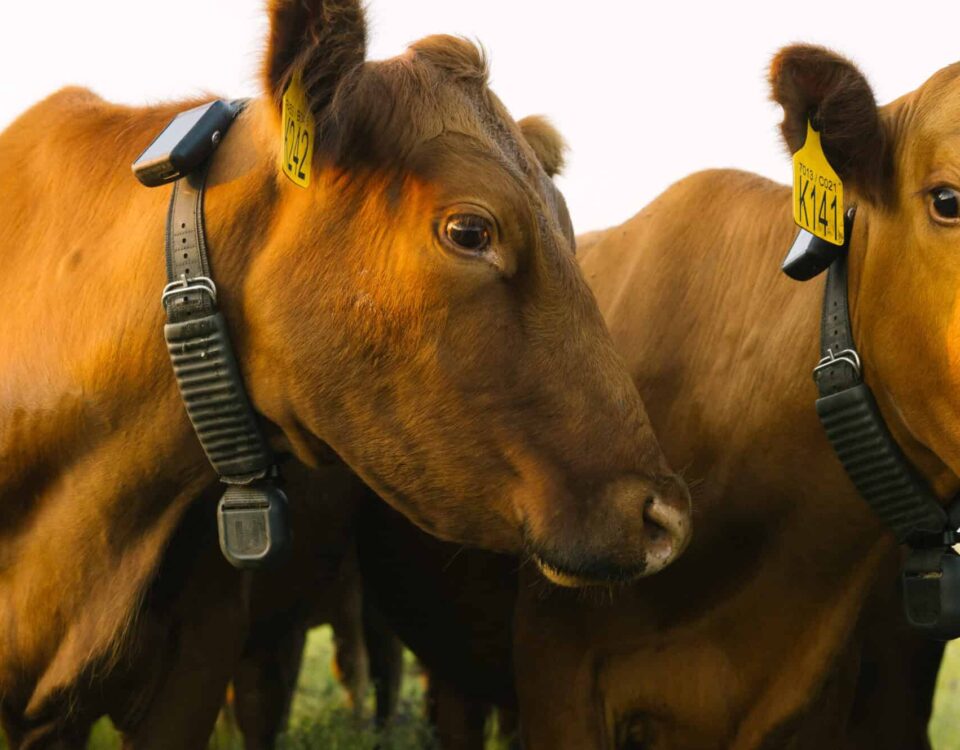
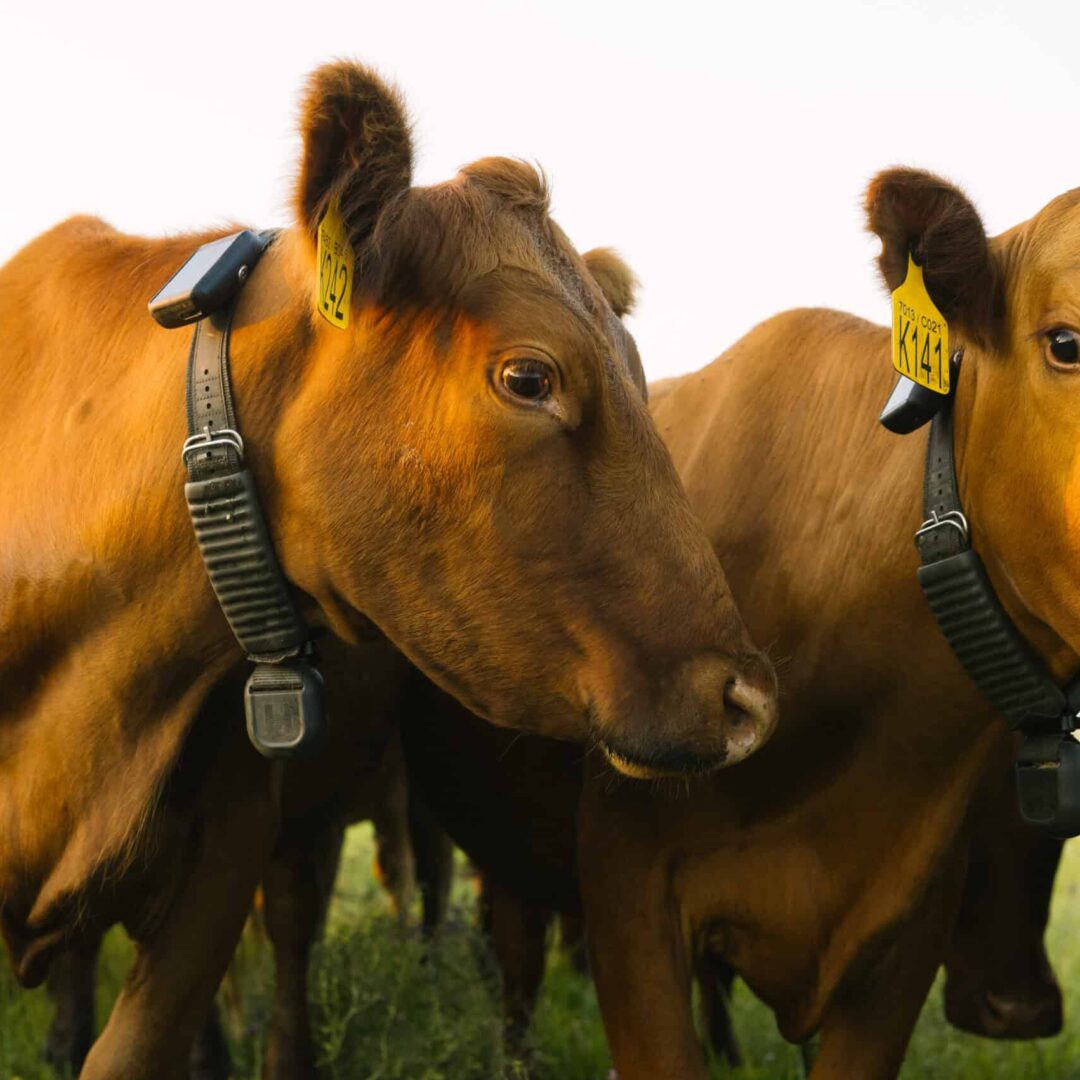
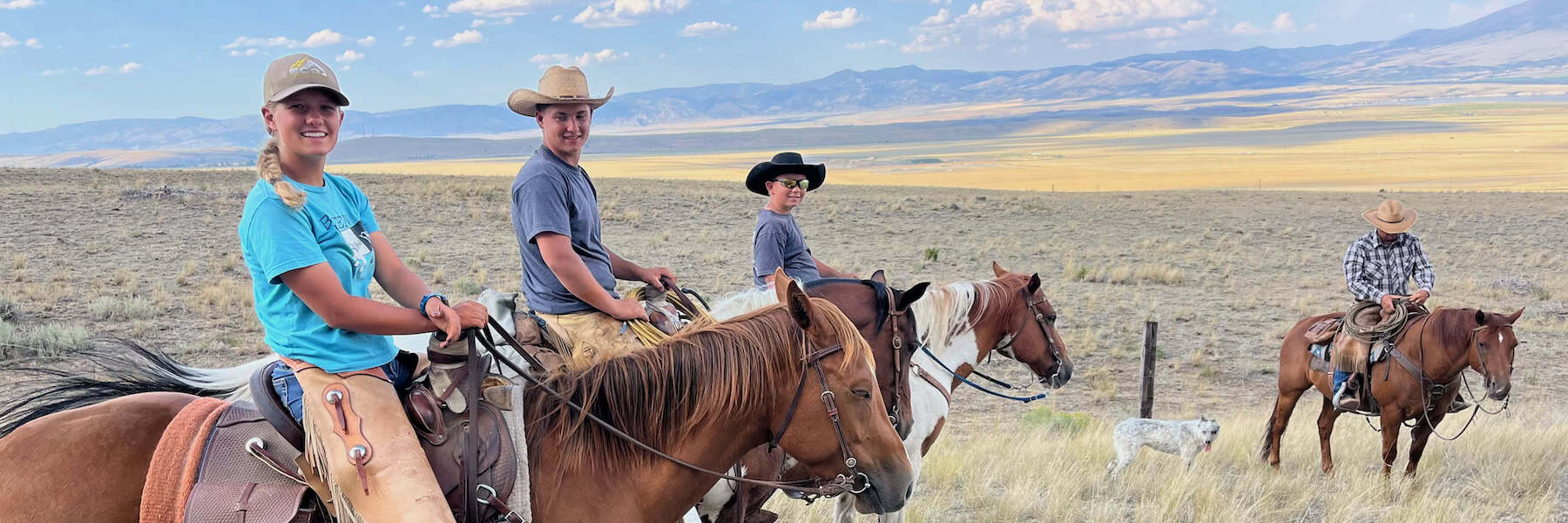
Fitting cows with GPS collars makes sense–and saves a lot of time and hassle–for moving and containing livestock on ranches in Montana’s rugged terrain.

Colorado Photographer Wins Bird Photographer of the Year
November 16, 2026
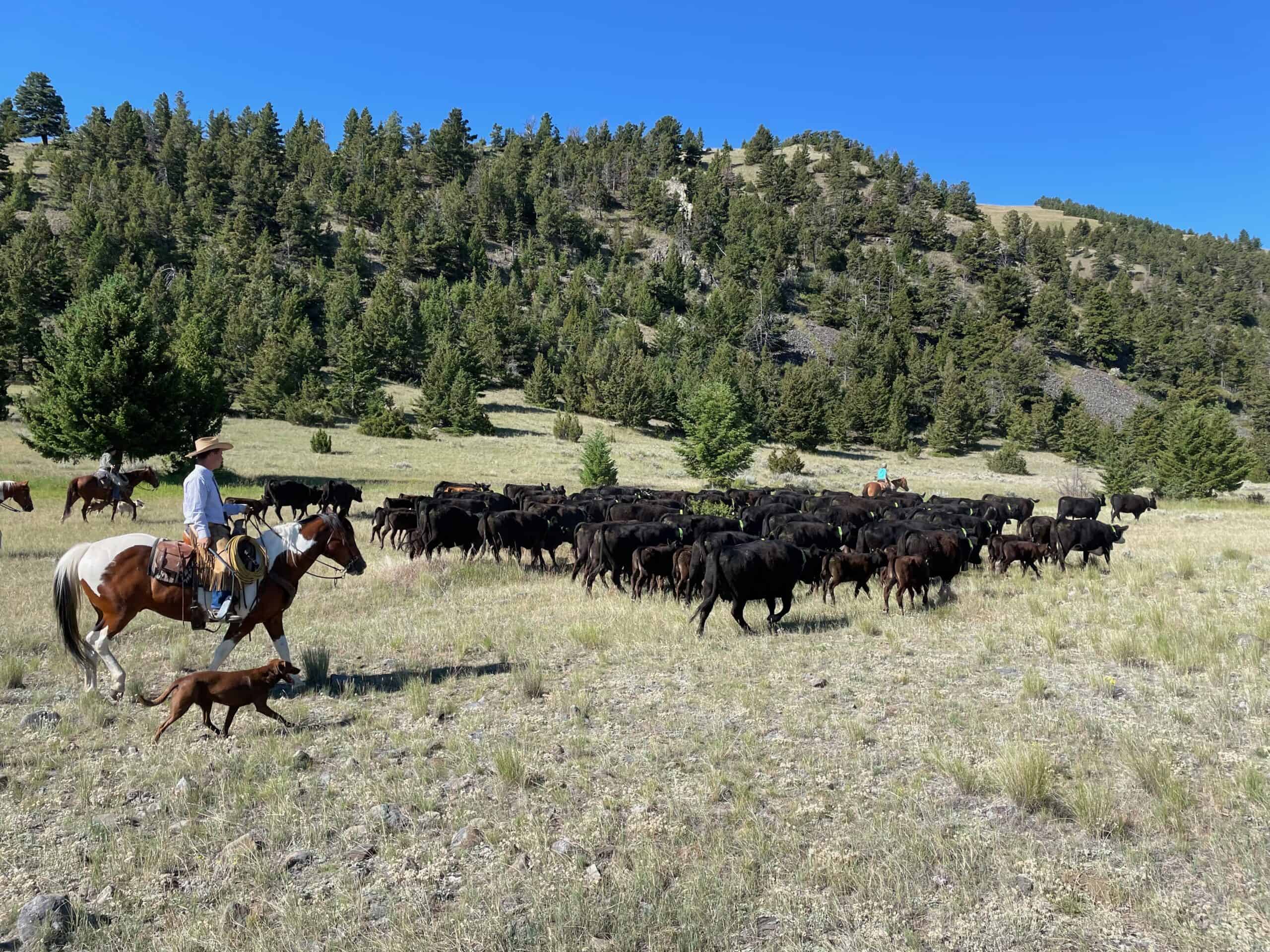
When Cory Bird first heard about virtual fencing, he wasn’t convinced it would be a good fit for his family’s ranch near Townsend, Montana. But after testing it the past few years, he’s totally sold.
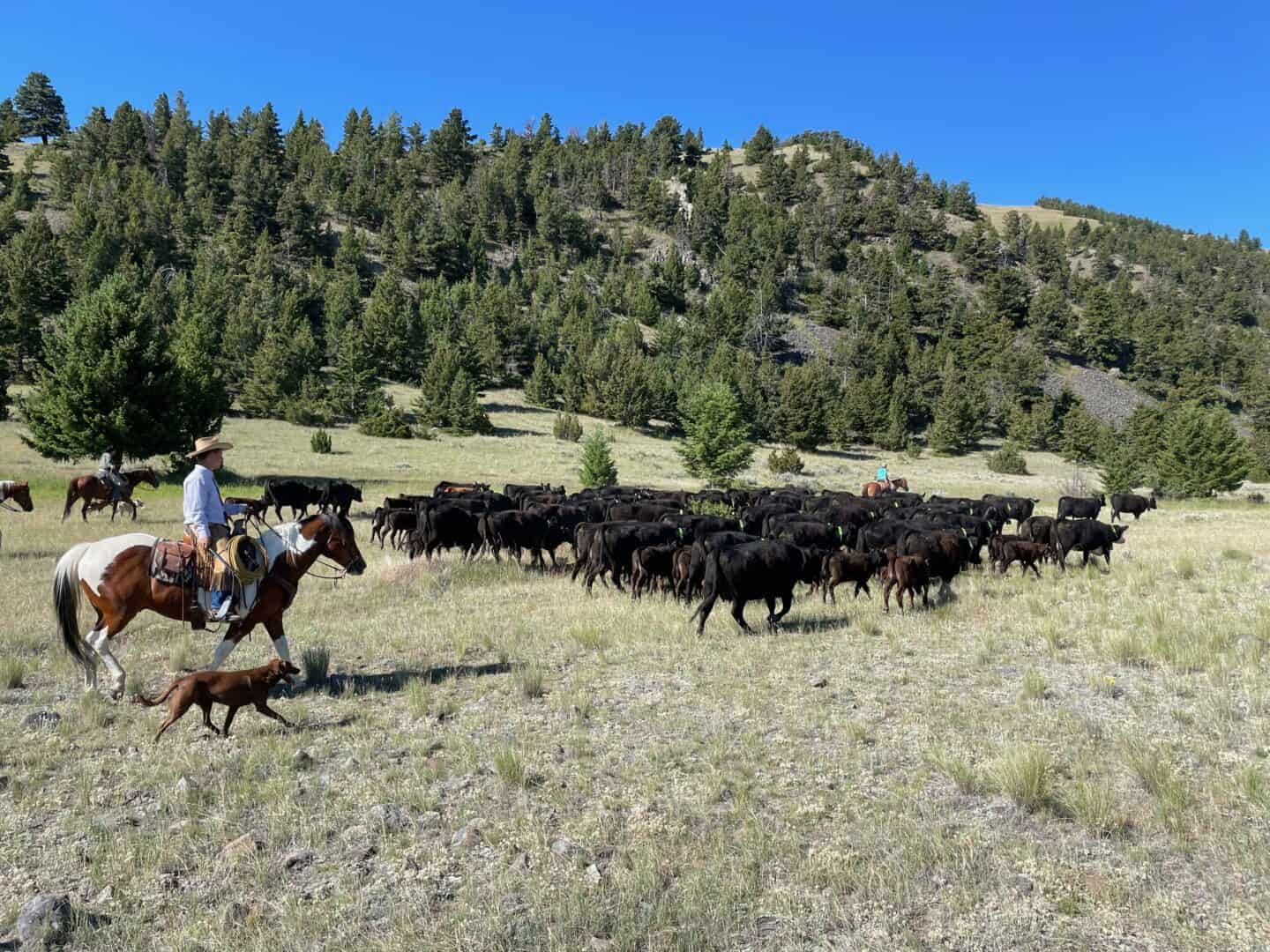
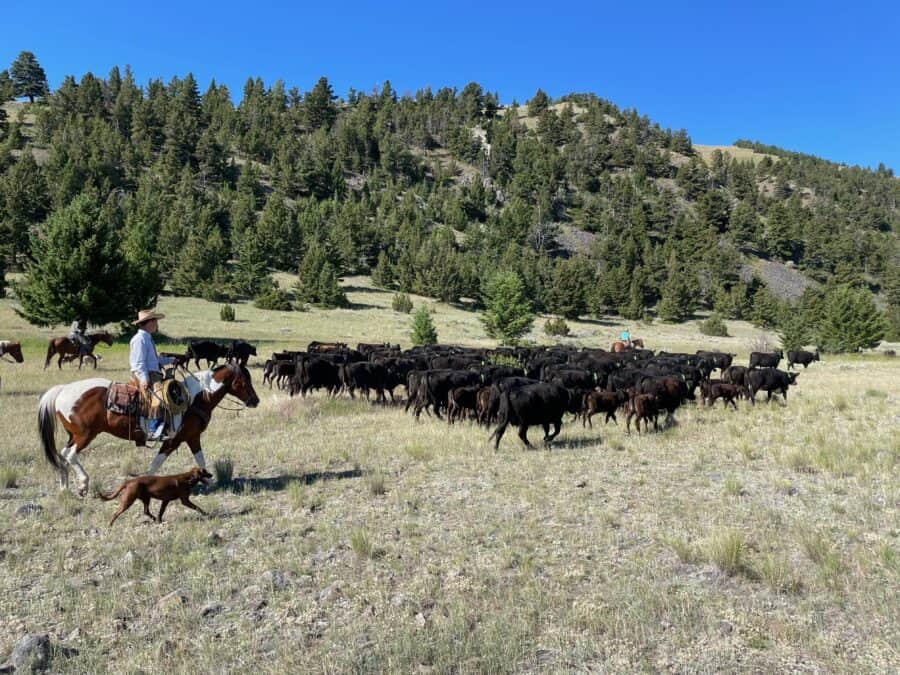
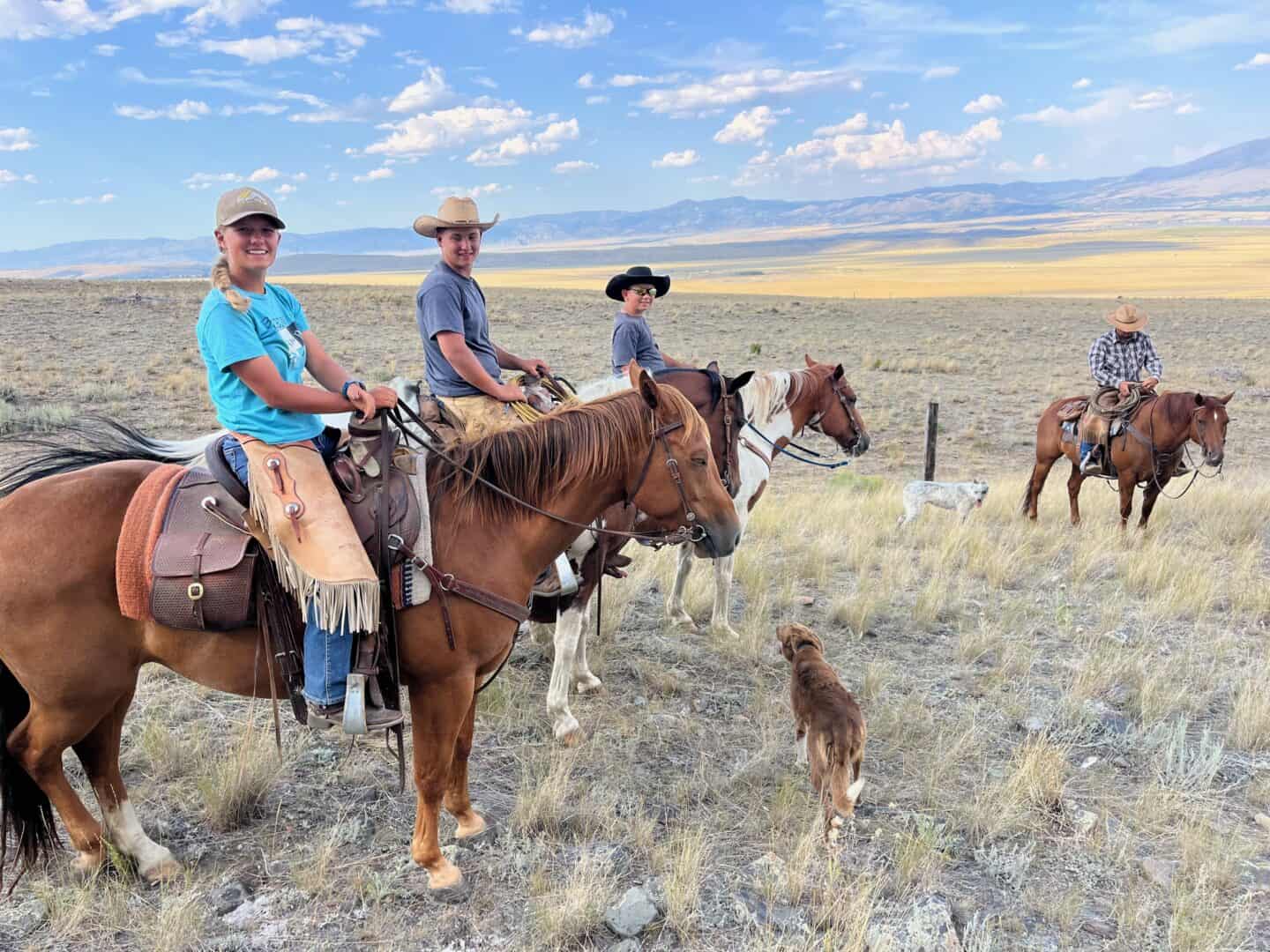
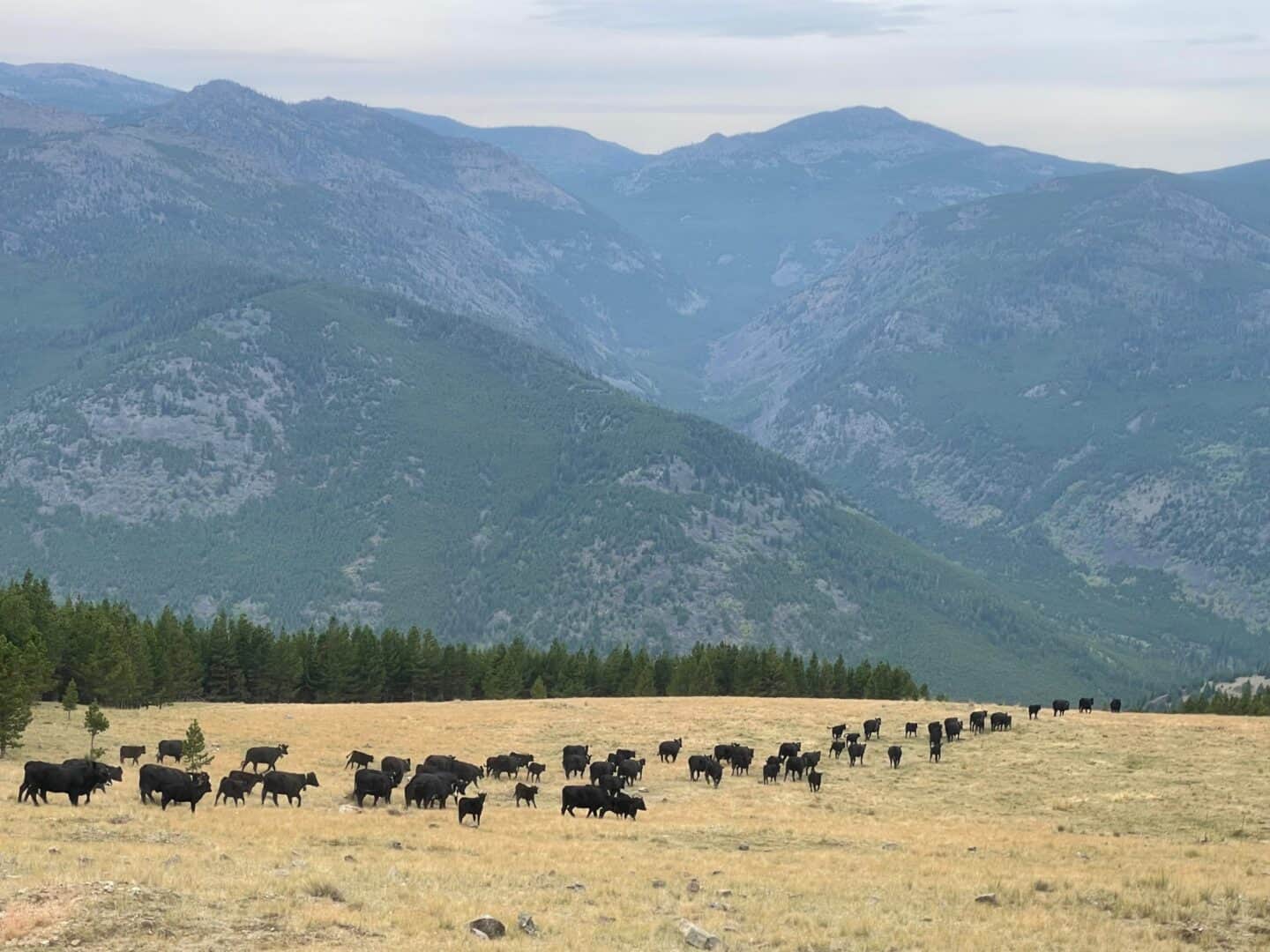
Along with his wife, Jennilee, two cousins and two uncles, Bird helps run the Hahn Ranch, which has been stewarding rangelands along the Missouri River for over a century. The family runs 600 cow-calf pairs on a combination of deeded lowland pastures and public grazing allotments in the Elkhorn Mountains.
When a range specialist with the Forest Service mentioned virtual fencing to the family, Bird was skeptical. “My wife and I were hesitant and couldn’t envision using it.”
But after looking into the technology a little more, the Birds saw plenty of possibilities for using GPS collars and virtually-drawn boundaries to manage and track livestock.
“I can’t imagine going back now. It’s just been a game changer for us. We spend a lot less time moving cows, and save a lot of hassle by keeping cattle where they’re supposed to be,” says Cory Bird, co-owner of the Hahn Ranch in Montana.
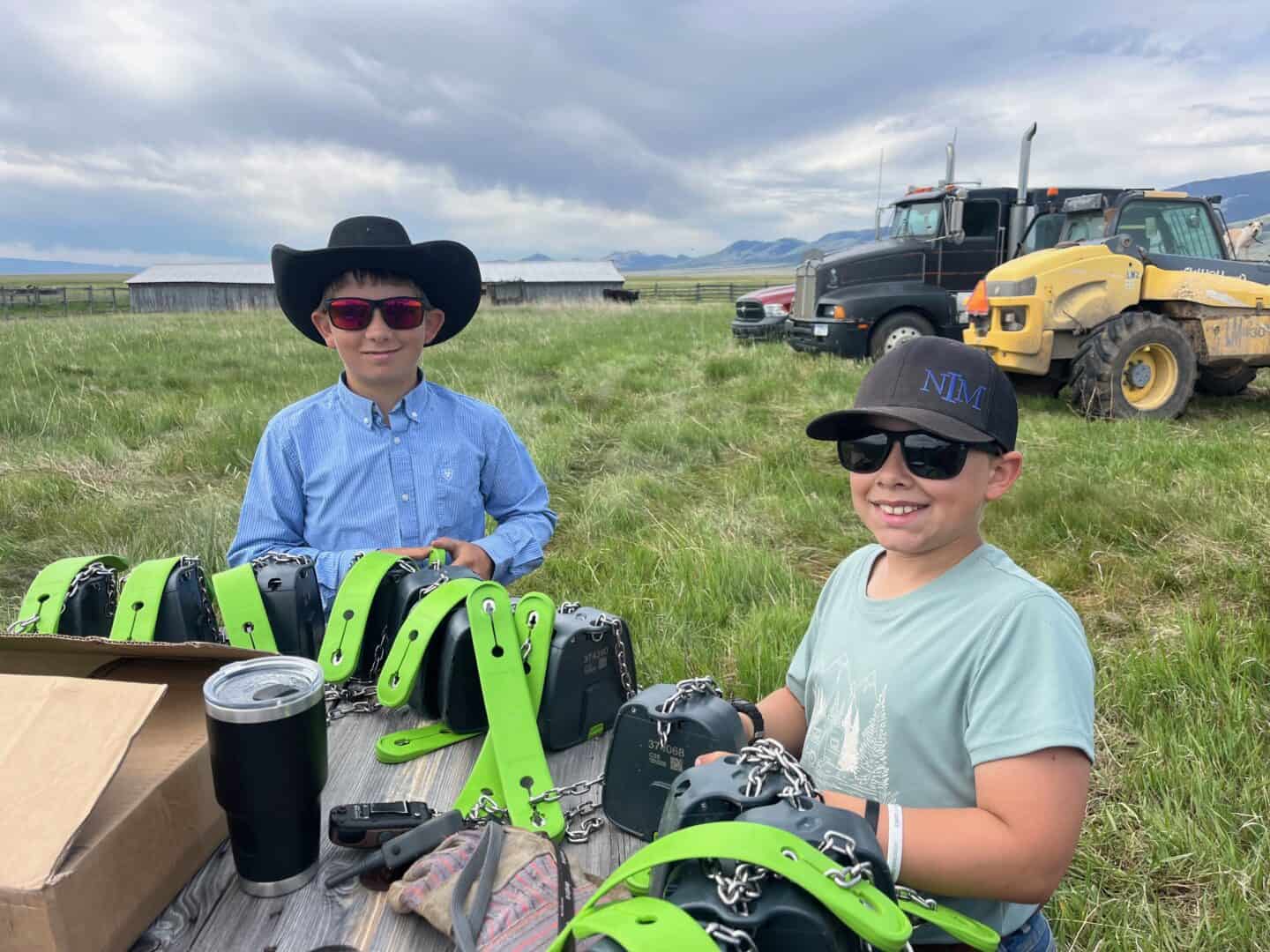
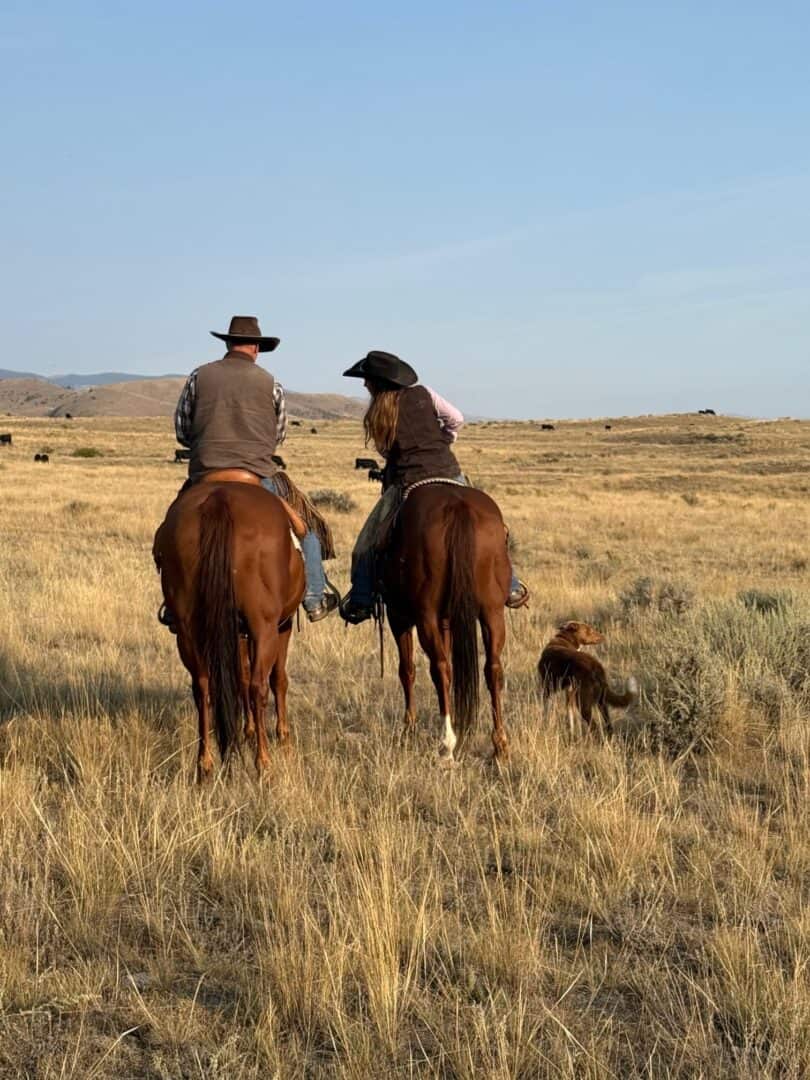
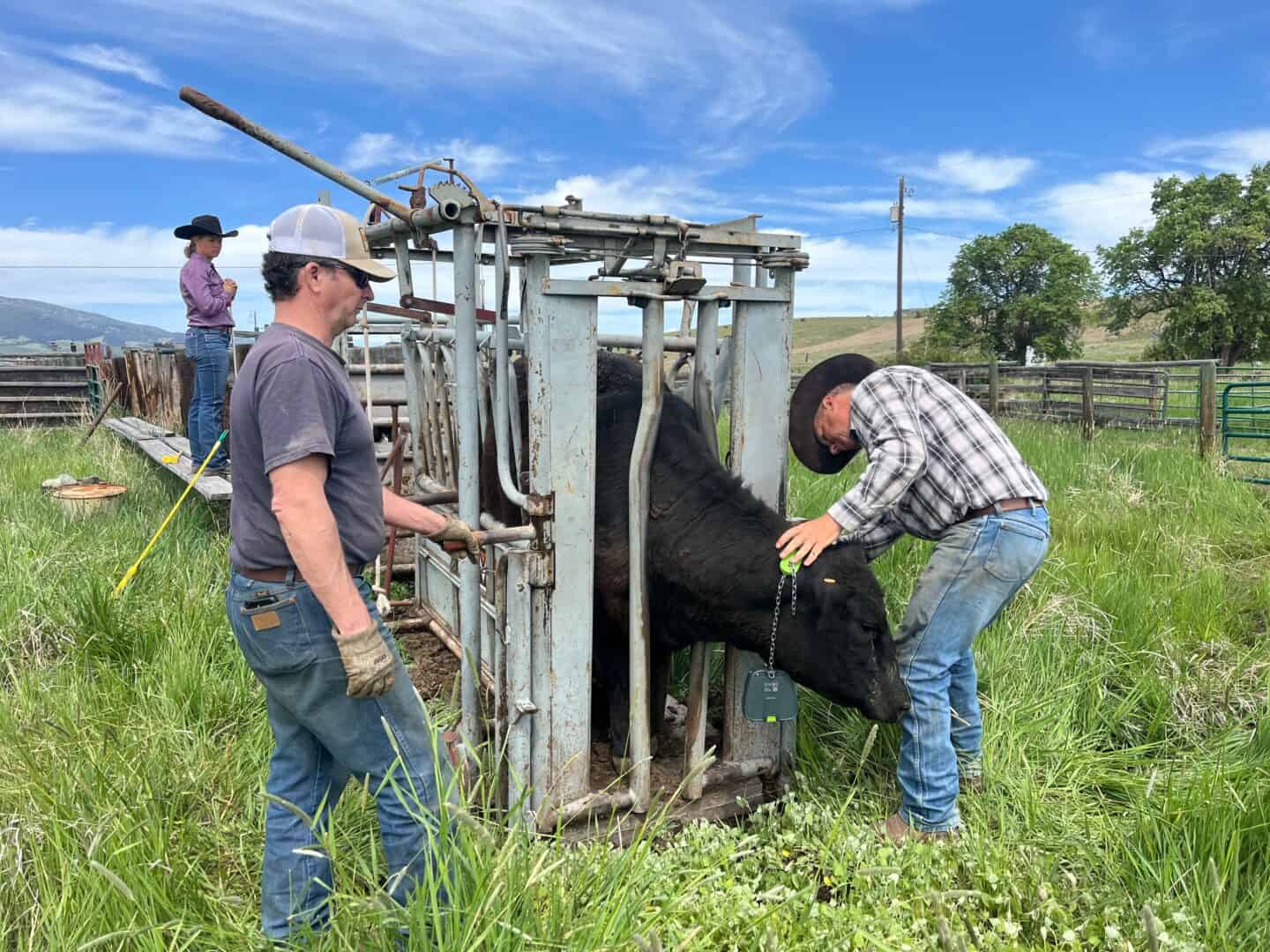
Virtual Fence Makes Sense In Montana’s Rugged Country
Western Montana’s rugged terrain makes fencing a challenge. Grazing areas on the Hahn Ranch includes steep draws, rocky slopes, thick timber, sagebrush meadows, and riverside pastures that flood each spring.
Bird and his family maintain over 100 miles of fences across their lowland and high country pastures. They’ve spent countless hours repairing wires or posts damaged by drifting snow, falling trees, or migrating wildlife herds.
Bird and his family decided to try virtual fencing to revamp how they contain and move livestock through this challenging landscape.
They started by testing collars from Nofence on 62 cattle that graze on a BLM allotment along the Missouri River. “We’ve always struggled to keep them contained. They’re always island-hopping once the river drops, in the neighbor’s hay field or getting out in the subdivision,” Bird says.
That first season impressed upon him the value of virtual fencing. “It was the easiest summer I’ve ever had with that bunch of cattle,” Bird said.
Next up, the Hahn Ranch secured a grant from the Rocky Mountain Elk Foundation to collar 43 cows on a US Forest Service allotment. The GPS collars proved extremely useful for locating cattle in steep, timbered terrain, and Bird spent a lot less time riding around the mountains searching for his cattle.
“Usually we turn our cattle out in May, then spend the next six or seven months trying to find them all again,” he joked. “Sometimes we’re still looking for the last few pairs come December. But this fall I’ve got all of them back down, already weaned and ready to go back out to fall graze.”
By tweaking the virtual boundaries from his phone or computer, Bird was also able to keep his cattle out of riparian areas in the uplands, too. This protected streamside plants and water quality.
Bird gets a notification on his phone if any cows have escaped a boundary. He can then fix problems quickly and easily from an app by shrinking boundaries or reprogramming GPS collars.
“I was gathering cattle from the river bottom while I was in Denver the other day, funneling them into a hay field so we could ship them the following Monday,” Bird says. “We’re able to just put that virtual boundary right where we need it.”
Wildlife Benefit When Ranchers Remove Wire Fences
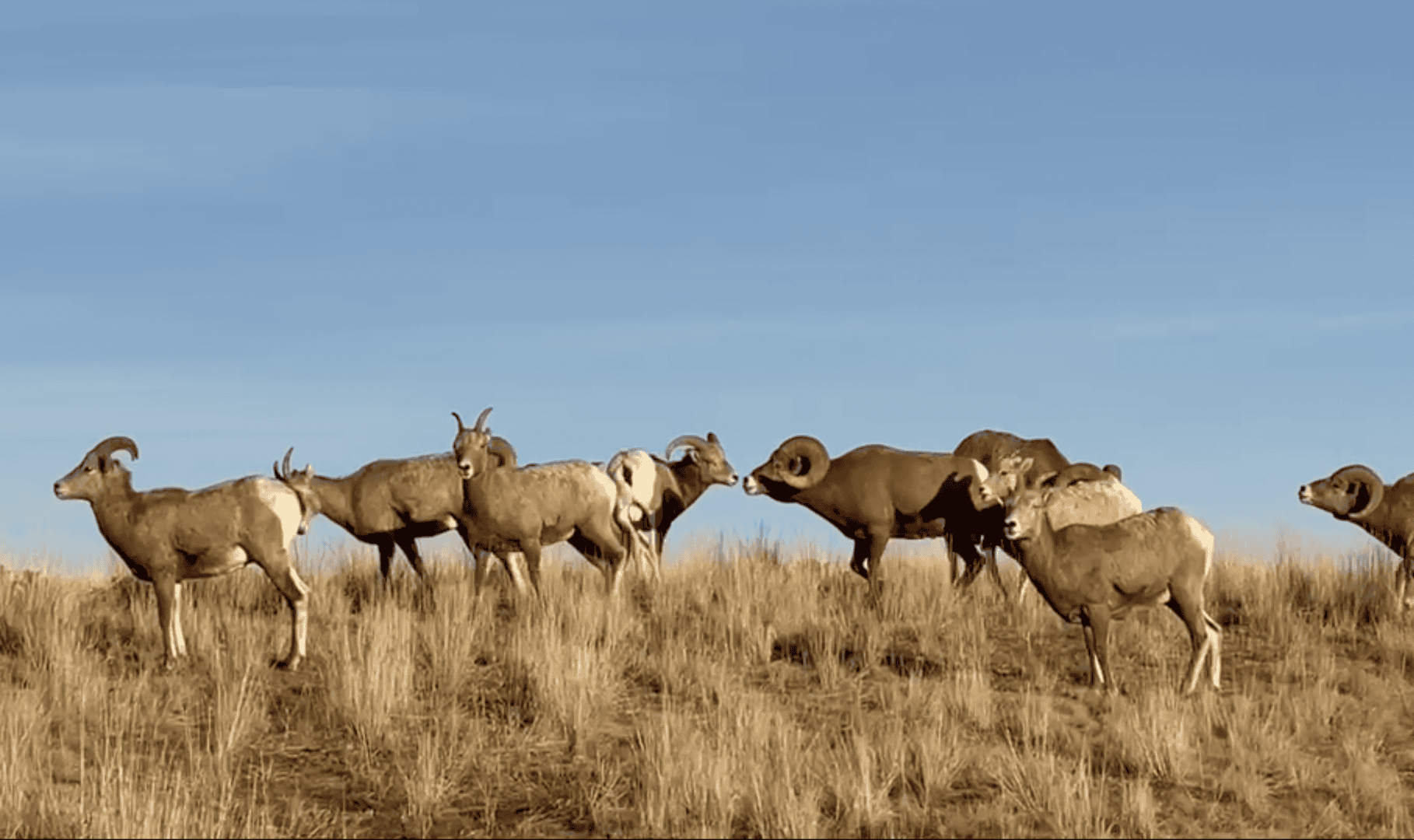
Along with its mountains, Montana is known for its abundant wildlife. The Hahn Ranch has its fair share of iconic critters. Many of them are migratory big game animals that sometimes get injured when crossing wire fences, or expend precious energy trying to go over, under or around them.
“We’ve got a lot of elk in this country, along with moose, mule deer and bighorn sheep. We have whitetail deer in the river bottom and antelope down in the lowlands,” Bird says. “There’s some grizzlies, wolves and lions, too, so pretty much the works.”
Fences are hard on migratory wildlife—but the inverse is also true. Big game can wreak havoc on fences. “They break stuff all the time. I’ve seen them tangled and carcasses hung up in the fence.”
Bird says that the family has installed wildlife-friendly fencing where possible, ensuring the top and bottom wires are spaced to allow wildlife to jump over or go under. But they still get caught once in a while.
Several years ago, Bird found a big bull elk entangled in one of his fences during the rutting season. “He was tethered to about 30 yards of barbed wire, with a steel post between his antlers. My friend and I tried to hold him down and help him, but the bull ended up strangling himself before we could get all the wires cut.”
Switching to virtual fencing allows the family to remove some of the old fences, making it easier for big game to move between Montana’s public and private lands.
“Virtual fencing will help wildlife by getting rid of wire on the landscape, which allows animals like elk and deer to move more freely when they migrate,” says Ryan Chapin, Montana field manager for the Theodore Roosevelt Conservation Partnership.
Stewarding Montana’s Water And Sagebrush Range
Virtual fencing is just one of many tools that the Hahn Ranch has used to make their operation more profitable and their rangelands more resilient for wildlife.
The Hahn Ranch was awarded the Montana Stockgrowers’ Association Environmental Stewardship Award in 2018 for their exemplary stewardship of land, livestock, wildlife and natural resources. For the past 30 years, the family has conserved resources on their ranch in partnership with a host of state and federal agencies, including the USDA-Natural Resources Conservation Service (NRCS).
“When landowners like the Hahn Ranch make voluntary decisions about how to manage their property in a way that keeps landscapes intact and connected, it benefits wildlife, working ranches, and local communities alike,” Chapin says.
Bird oversaw an NRCS-funded project to remove encroaching junipers and restore perennial forage on his family’s sagebrush rangelands. His uncle has worked with the NRCS on multiple irrigation improvement projects, converting infrastructure to more water- and labor-efficient center pivots.
The Hahn Ranch is also developing springs with “man-made beaver dams”, Bird says, to raise the water table. These beaver mimicry structures provide more water to livestock and wildlife during Montana’s dry summer months. “Little trickles of water that only went 20 yards down the draw are now going 200 yards or more, even in a dry year,” Bird notes.
As for the verdict on virtual fencing? Bird says he’s all in. The family plans to add 400 GPS collars for the coming grazing season, which will virtually contain most of their range cattle and all of the livestock on grazing on public allotments. Neighbors are starting to test out the technology, too, after seeing how well the collars have worked for the Hahn Ranch.
“It’s just been amazing. I think there’s going to be more and more people getting into this as they see the possibilities,” Bird says.
WLFW Framework For Conserving Migratory Big Game
Working Lands for Wildlife partners with private landowners–like the Hahn Ranch–along with state and federal agencies and Tribal nations to address the challenges facing the West’s iconic big game species like elk, mule deer, moose, and bighorn sheep.
Together with landowners, we’re modifying fences to make them friendlier to wildlife, removing encroaching conifers from rangelands, addressing invasive grasses, and helping ranchers keep their working lands intact through programs like the Conservation Reserve Program and the Environmental Quality Incentives Program.